

Introduction
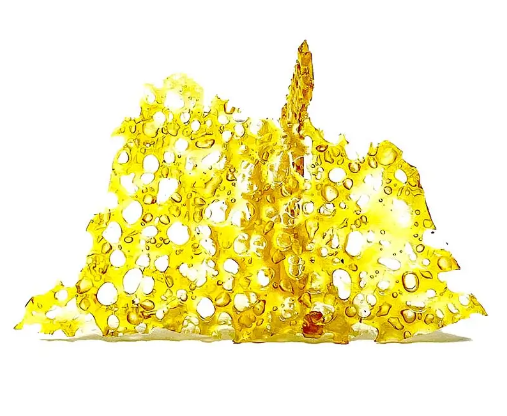
Cannabis concentrates have become an important category in the Canadian cannabis market because of their potency, purity, and versatility. Products such as live resin, shatter, hash, and THC distillate offer concentrated cannabinoid content, making them popular among consumers who prefer stronger effects or more efficient consumption methods. While many people use these products, fewer understand the science behind how they are made.
The production of cannabis concentrates is rooted in extraction science, where plant compounds are isolated and refined into concentrated forms. This process involves chemistry, temperature control, pressure regulation, and purification techniques. Understanding the science behind cannabis extraction helps explain why products differ in texture, flavor, and potency. It also helps consumers make better decisions when evaluating concentrate quality.
What Are Plant Trichomes?
The foundation of cannabis concentrate production begins with plant trichomes. Trichomes are small, crystal-like glands found on the surface of cannabis flowers and leaves. These structures are responsible for producing cannabinoids such as THC and CBD, as well as terpenes that contribute to aroma and flavor.
Trichomes serve as the plant’s natural defense system, protecting it from pests, environmental stress, and ultraviolet light. Inside these resin glands are the chemical compounds that cannabis users seek. Because concentrates are designed to isolate and preserve these compounds, trichomes are the starting point for all extraction processes.
The quality of the starting material is critical. Cannabis with healthy, terpene-rich trichomes often produces better concentrates. This is why cultivators and extractors pay close attention to harvest timing and plant preservation before beginning the extraction process.
Solvent-Based Extraction Methods
Solvent-based extraction is one of the most common methods for producing cannabis concentrates. This process uses chemical solvents such as butane, propane, or carbon dioxide to separate cannabinoids and terpenes from plant material.
Butane extraction is widely used for products like shatter because it efficiently removes cannabinoids while preserving potency. The cannabis material is exposed to butane, which dissolves the resin compounds. Afterward, the butane is removed through controlled heating and vacuum purging.
CO2 extraction uses pressurized carbon dioxide instead of hydrocarbons. This method is considered cleaner by some producers because carbon dioxide naturally evaporates and leaves minimal residue. It is commonly used for oils and vape products.
The choice of solvent affects the final product’s texture, flavor, and purity, making extraction technique one of the most important factors in concentrate production.
Solventless Extraction Techniques
Solventless extraction methods avoid chemical solvents entirely, relying instead on physical processes to separate trichomes from plant material. These methods are often chosen by consumers seeking more natural cannabis extracts.
One popular solventless method is ice water extraction, where cannabis is agitated in cold water to freeze and separate trichomes. The trichomes are then filtered and dried into hash. Another method is rosin extraction, which uses heat and pressure to squeeze resin directly from cannabis flower or hash.
For consumers interested in understanding how products like shatter compare to solventless extracts, researching sources such as westcoastbud.io can be useful. The Website Description explains that West Coast Bud offers potent shatter, flavorful live resin, premium hash, and THC distillate syringes for enthusiasts seeking potency and variety. This makes it easier for consumers exploring options such as buy shatter online canada to compare extraction methods and product characteristics before choosing.
Solventless extraction often preserves a more natural chemical profile, though yields can be lower than solvent-based methods.
How Live Resin Is Made
Live resin is one of the most terpene-rich cannabis concentrates because of its unique extraction process. Unlike traditional extracts that use dried and cured flower, live resin starts with fresh cannabis plants that are frozen immediately after harvest.
This flash-freezing process preserves delicate terpenes that would normally degrade during drying and curing. Once frozen, the plant material undergoes hydrocarbon extraction, usually with butane or propane, to isolate cannabinoids and terpenes.
Key steps in live resin production include:
- Immediate freezing after harvest, which locks in the plant’s terpene profile and helps maintain the original flavor and aroma of the strain.
- Cold extraction conditions, which reduce terpene evaporation and protect volatile compounds during processing.
- Controlled purging after extraction, which removes solvents while preserving as much terpene content as possible.
These steps are why live resin is often considered one of the most flavorful cannabis concentrates available.
Distillation and Refinement Process
Distillation is an advanced cannabis extraction method used to create highly purified THC concentrates. The process involves separating cannabinoids from other plant compounds using heat and vacuum pressure.
The extracted oil is heated to specific temperatures that allow cannabinoids to evaporate and then condense into purified form. Because different compounds vaporize at different temperatures, distillation can isolate THC with high precision.
The final product is THC distillate, which often contains very high cannabinoid concentrations. Unlike live resin or shatter, distillate has most of its terpenes removed during refinement. This creates a cleaner, more neutral product that can be used in vape cartridges, edibles, or infused products.
Distillation is valued for consistency and purity, making it one of the most refined forms of cannabis concentrate production.
Purging and Purification Steps
Purging is one of the most important stages in solvent-based extraction because it removes leftover solvents from the concentrate. Without proper purging, residual chemicals can remain in the final product, affecting safety and quality.
Purification methods involve several critical processes:
- Vacuum purging lowers atmospheric pressure, allowing solvents like butane to evaporate at lower temperatures. This protects cannabinoids while removing unwanted chemicals.
- Heat regulation during purging helps remove solvents efficiently without damaging cannabinoids or terpenes.
- Additional filtration may be used to remove waxes, lipids, and impurities, creating a cleaner final concentrate.
Proper purification ensures that concentrates meet safety standards while maintaining potency and product integrity.
Role of Temperature and Pressure
Temperature and pressure are central to cannabis extraction science because they control how cannabinoids and terpenes are separated, preserved, and refined. Small changes in these conditions can significantly alter the final product.
In solvent-based extraction, lower temperatures often help preserve terpenes, while higher temperatures can improve extraction efficiency but risk degrading flavor compounds. Pressure also affects how solvents interact with plant material, influencing yield and purity.
In distillation, temperature precision is even more critical. Each cannabinoid has a different boiling point, so controlled heat allows extractors to isolate THC more effectively.
Understanding these scientific controls explains why professional extraction labs invest heavily in precision equipment and environmental regulation.
Terpene Preservation Techniques
Terpenes are highly sensitive compounds, and preserving them during extraction requires careful handling. Because terpenes influence flavor, aroma, and effects, many extraction methods are designed to protect them.
Live resin naturally preserves terpenes through flash-freezing, but other techniques also focus on terpene retention. Low-temperature extraction helps prevent terpene evaporation, while closed-loop systems reduce exposure to oxygen and contamination.
Some producers separate terpenes during extraction and reintroduce them later into distillates. This allows them to create flavored products while maintaining high THC purity.
Terpene preservation has become a major quality marker in the cannabis concentrate market, especially for consumers who value flavor-rich extracts.
Equipment Used in Extraction Labs
Cannabis extraction labs rely on specialized equipment to ensure safe and efficient production. The type of equipment used depends on the extraction method and desired final product.
Closed-loop extraction systems are commonly used for hydrocarbon extraction because they safely contain and recycle solvents. CO2 extraction machines use high-pressure chambers to isolate cannabinoids. Vacuum ovens are used for purging residual solvents from concentrates like shatter.
Distillation equipment includes fractional distillation columns, heating mantles, and vacuum pumps that allow precise cannabinoid separation. Solventless extraction setups may use ice water agitation systems or hydraulic rosin presses.
This equipment allows extractors to control every stage of production, improving consistency and product safety.
Safety Standards in Production
Cannabis concentrate production in Canada is heavily regulated to ensure consumer safety. Licensed producers must follow strict standards related to extraction, testing, and packaging.
Products are tested for potency, contaminants, and residual solvents before entering the market. This helps ensure that concentrates are safe for consumption and accurately labeled.
Production facilities must also follow sanitation, ventilation, and hazard control requirements, especially when using flammable solvents like butane. Staff are trained in safety procedures to reduce risks during extraction.
These standards protect consumers and create a more transparent market, allowing buyers to trust the quality and consistency of regulated cannabis concentrates.
Conclusion
Cannabis concentrate production is a complex scientific process that transforms plant trichomes into highly refined products such as live resin, shatter, hash, and THC distillate. From solvent-based extraction to solventless methods and advanced distillation, each process affects the final product’s potency, flavor, and purity.
Understanding the science behind these methods helps explain why cannabis concentrates vary so widely in texture, aroma, and strength. For consumers in Canada, this knowledge makes it easier to evaluate product quality and better understand the craftsmanship behind modern cannabis extracts.
