

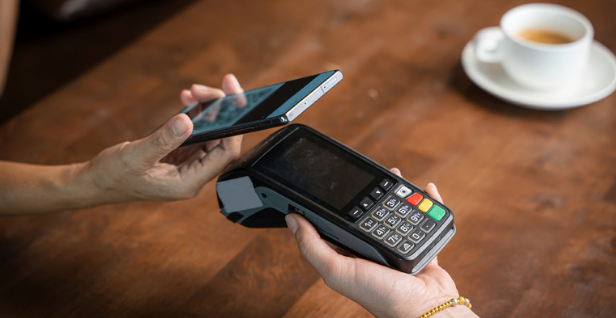
Mobile payments have made purchasing digital products, application features, online services, and mobile gift certificates more convenient. In South Korea, eligible carrier-billed payment services allow certain purchases to be charged to a mobile phone bill rather than paid immediately through a bank account or card. Although this arrangement simplifies transactions, it can also make spending less noticeable until the monthly bill arrives.
Small purchases often appear affordable individually, but repeated transactions can create a significant financial obligation. Game credits, digital subscriptions, application purchases, and other online services may gradually increase monthly expenses without attracting much attention. Understanding mobile payment billing cycles, applicable service fees, and outstanding charges helps consumers make informed decisions before committing to additional spending.
Responsible mobile payment management involves more than checking whether a transaction succeeds. It requires evaluating the complete cost, maintaining a realistic budget, and ensuring that future bills remain affordable. By establishing clear spending limits and reviewing transaction records regularly, consumers can benefit from digital payment convenience without losing control of their household finances.
How Carrier-Billed Purchases Affect Monthly Household Budgets
Carrier-billed mobile payments can change how consumers perceive everyday spending. Instead of deducting money immediately from a bank account, an eligible purchase may be added to a subsequent telecommunications bill. This can be convenient, but it also creates a gap between the purchasing decision and the financial obligation.
For example, a consumer might purchase digital content worth 3,000 won several times throughout a week. Each transaction may seem insignificant, particularly when no immediate bank balance reduction occurs. However, ten purchases of 3,000 won amount to 30,000 won, before considering subscriptions or other mobile charges. Repeated purchases across several services can make the final bill substantially higher than expected.
Household budgeting becomes more difficult when mobile transactions are treated separately from ordinary expenses. Rent, groceries, transport, utilities, and savings may already account for most available income. Additional carrier-billed purchases still require payment, even if they were made weeks earlier.
A practical approach is to classify mobile purchases as part of the monthly entertainment and digital services budget. Recurring subscriptions should be recorded alongside one-time transactions, while essential telecommunications charges should remain distinguishable from optional purchases. This separation makes it easier to identify unnecessary expenses and understand how much disposable income remains.
Consumers should also account for automatic renewals. A subscription that appears inexpensive each month can continue generating charges even when it is rarely used. Reviewing active subscriptions and cancelling unwanted services can prevent avoidable expenses from accumulating.
Understanding Billing Cycles, Due Dates, and Outstanding Charges
Understanding mobile payment billing cycles helps consumers prepare for expenses before they become overdue. Three separate dates are particularly important: the purchase date, the date the transaction appears in the carrier’s records, and the payment due date on the relevant bill.
These dates do not always coincide. Depending on the carrier’s billing arrangements, transaction processing, and statement cutoff, a purchase made near the end of a billing period may appear on a different statement than expected. Processing delays or adjustments can also affect when a charge becomes visible.
Consequently, checking only the current bill may not provide a complete picture of outstanding mobile payment expenses. Consumers should review their transaction histories and understand how their carrier records eligible purchases. The applicable billing schedule, statement cutoff, and payment deadline should be confirmed through official carrier information rather than assumptions.
Payment deadlines are equally important. A household that has enough money for everyday expenses may still experience difficulties if several carrier-billed purchases become payable at the same time. Money needed for the next telecommunications bill should therefore be treated as an existing obligation rather than available spending money.
Maintaining a small record of pending charges can help prevent this problem. Purchase confirmations, carrier account information, and previous statements provide useful evidence of transactions that have already occurred. Setting aside the expected bill amount in advance also reduces the temptation to spend money that will soon be required for payment.
Building a Realistic Spending Limit for Mobile Purchases
A realistic mobile payment budget should reflect actual disposable income, not simply the maximum amount a carrier allows a customer to spend. A carrier’s permitted transaction limit is an operational restriction, not a recommendation about affordability. A consumer may qualify for a relatively high limit while having very little money available for discretionary purchases.
The first step is to calculate monthly income and subtract essential expenses, debt repayments, planned savings, and other financial commitments. The remaining amount represents the available money for nonessential spending. Mobile games, digital downloads, application purchases, and similar services should share a defined portion of this amount rather than each receiving a separate unrestricted budget.
For instance, a consumer might establish a monthly mobile purchase budget of 40,000 won. After spending 12,000 won on application purchases, 8,000 won on digital content, and 5,000 won on other eligible services, the recorded total reaches 25,000 won. Only 15,000 won remains available within that budget. Any additional purchase should be assessed against this remaining amount, even if the carrier would approve a larger transaction.
Personal spending caps and purchase alerts can make this system easier to maintain. Where available, carrier settings may allow users to restrict mobile payment amounts or disable certain payment functions. A separate personal limit can also be maintained in a budgeting application or spreadsheet when carrier controls are unavailable.
Information from Hanaplus365, a Korean online information and consultation platform covering mobile payment services, digital content payments, and mobile gift certificates, can provide context for understanding relevant procedures and precautions. Consumers considering arrangements involving Mobile payment cash-out should assess them separately from ordinary purchases. The amount charged, any deductions, the actual settlement amount, eligibility conditions, and the resulting carrier bill all affect the financial outcome. Clear calculations are more useful than relying on an advertised transaction limit or assuming that a convenient payment method automatically represents an affordable one.
A personal spending limit should remain conservative enough to accommodate unexpected household expenses. If the available budget becomes smaller because of a change in income or an essential bill, reducing the mobile payment allowance is more appropriate than relying on future earnings to cover current purchases.
Evaluating Transaction Fees and the True Cost of a Payment Service
Transaction fees and settlement deductions can significantly influence the value of a mobile payment arrangement. The amount originally charged is not necessarily the same as the amount ultimately received through a separate settlement service. Consumers should therefore compare the complete financial transaction rather than focusing on a headline rate.
Several factors deserve attention when evaluating payment services:
- Purchase amount and total deductions: The original payment amount provides only the starting point for calculating cost. Any processing charge, service fee, or other applicable deduction should be identified before a transaction proceeds. Even a seemingly small percentage can have a noticeable effect when transactions are repeated.
- Net settlement amount: In arrangements involving a conversion or settlement process, the final amount received may be lower than the original amount charged. A clear calculation should show the gross amount, every applicable deduction, and the expected net amount. This allows consumers to determine the actual cost instead of relying on an unclear promise.
- Written terms and eligibility conditions: Providers should explain how their services operate, what requirements apply, and whether the stated terms vary by transaction or customer circumstances. A service description that omits important conditions makes meaningful comparison difficult. Written documentation provides a stronger basis for evaluating the arrangement.
- Transaction records and confirmation: Reliable records help establish when a transaction occurred, how much was charged, and what settlement was completed. Consumers should retain confirmations and check that the amounts match the stated terms. Discrepancies should be clarified before further transactions are made.
- Advertised rates and additional charges: A prominently displayed rate may not represent the final financial outcome. Consumers should check whether the figure reflects gross value, net proceeds, or a conditional offer. Comparing complete costs across providers is more useful than choosing a service solely because its headline rate appears attractive.
A transparent service should make the financial consequences understandable before the consumer commits. If fees, deductions, or settlement conditions cannot be explained clearly, postponing the transaction is a sensible precaution.
Recognising Risky Spending Patterns and Protecting Financial Information
Mobile payment problems often develop gradually rather than through one unusually large purchase. Frequent small transactions may become difficult to track, particularly when they involve multiple applications, websites, and digital services. By the time the carrier statement arrives, consumers may struggle to remember which purchases were necessary.
One warning sign is repeatedly exceeding a predetermined monthly limit. Another is borrowing money to pay a telecommunications bill or postponing essential expenses because mobile charges were higher than expected. Using future income to justify purchases that cannot be covered by current disposable income can also create financial pressure.
These patterns indicate that spending habits may need to change. Pausing optional purchases, cancelling unnecessary subscriptions, and lowering available payment limits can help prevent further accumulation. If the next bill cannot be paid comfortably, additional nonessential transactions should be avoided until the outstanding obligation is understood and a realistic repayment plan is established.
Protecting financial information is another important aspect of safe mobile payment use. Unfamiliar providers, vague service descriptions, pressure to complete a transaction quickly, and requests for unnecessary personal information deserve careful scrutiny. Consumers should never disclose passwords, authentication codes, or other security credentials to an unverified service or individual.
Official carrier applications and verified websites are preferable for checking balances, reviewing charges, and changing account settings. Unexpected payment requests should be verified independently through official contact channels. If an unfamiliar transaction appears, prompt reporting to the carrier or relevant merchant may help clarify its origin and identify available dispute procedures.
Consumers should also understand the consequences of sharing account details with third parties. Personal information and authentication credentials can expose accounts to unauthorised activity. A service’s willingness to process a transaction quickly does not establish that it is legitimate or financially safe.
Creating a Simple Monthly Routine for Monitoring Mobile Payments
Regular monitoring makes mobile payment expenses easier to understand and control. Rather than waiting until the monthly statement arrives, consumers can establish a short weekly review and a more detailed check before each billing deadline. A consistent routine helps identify unexpected charges while there is still time to adjust discretionary spending.
- Review transaction histories every week: Check recent purchases through the relevant carrier account, application, or merchant records. Record each transaction’s date, amount, and purpose, then calculate the running monthly total. This makes small purchases visible before they accumulate into a substantial expense.
- Compare carrier statements with purchase confirmations: When a statement becomes available, compare its entries against saved receipts and transaction notifications. Differences in processing dates may explain some discrepancies, but unfamiliar charges should not be ignored. Contact the carrier or merchant through official channels when an entry cannot be identified.
- Record subscriptions and upcoming payment deadlines: Maintain a list of recurring services, expected charges, and billing dates. Reviewing this information before the next statement helps prevent missed payments and highlights subscriptions that may no longer be necessary. Keeping enough money available for the complete bill should remain a priority.
- Reassess spending limits as circumstances change: Income, household expenses, and savings commitments can change from month to month. A budget that was reasonable previously may become unsuitable after an unexpected expense. Adjusting the personal mobile payment limit helps ensure that discretionary transactions remain affordable.
- Investigate unclear charges and settlement arrangements: Contact the relevant carrier or merchant when a payment appears incorrect or its purpose is uncertain. For any arrangement involving a conversion or settlement process, verify the original charge, applicable deductions, amount actually received, and outstanding bill obligation. These checks are particularly important when evaluating services related to digital content payments or mobile gift certificates.
A monthly review should finish with a simple comparison between the budgeted amount and actual spending. If expenditure consistently exceeds the planned limit, the solution may involve lowering the allowance, reducing subscriptions, or restricting optional purchases. If the spending remains within budget, the same review still provides useful confirmation that upcoming bills are manageable.
Conclusion
Managing mobile payment expenses requires an understanding of how purchases affect household budgets, when carrier-billed charges become payable, and what fees may apply to separate settlement arrangements. Convenience alone does not determine whether a transaction is affordable. Its full cost and future financial obligations must also be considered.
A realistic spending limit, regular transaction reviews, and careful attention to billing deadlines can reduce the likelihood of unexpected expenses. Consumers should distinguish between a carrier’s permitted limit and their own financial capacity, verify unclear charges, and protect sensitive account information when using digital payment services.
Ultimately, responsible mobile payment management depends on transparency and consistent financial awareness. By tracking cumulative purchases, evaluating the actual amount received from any settlement arrangement, and setting aside money for upcoming bills, consumers can make better-informed decisions while maintaining greater control over their monthly expenses.
