
Introduction
Professional identity is often shaped by more than skills, experience, or digital presence. The physical tools used in daily work also influence how individuals and businesses are perceived. Office tools such as customized stationery, branded labels, and stamps create consistency and reinforce professionalism in every interaction. Small details in document presentation, packaging, and workflow management contribute to stronger brand identity and better organization. In modern workplaces, personalized office tools continue to play an important role because they combine functionality with identity, helping businesses create a polished and reliable professional image.
How Workplace Tools Reflect Professional Standards
The tools used in a workplace often communicate standards before any conversation takes place. A neatly organized desk, branded documents, and consistent paperwork presentation suggest attention to detail and professionalism.
When clients receive well-structured paperwork, properly labeled packages, or clearly marked documents, they often associate those details with competence. This visual consistency strengthens trust.
Office tools also improve internal standards. Employees working with structured systems are more likely to follow organized routines and maintain better workflow discipline.
Professional standards are often reflected in simple details. A stamped invoice, a clearly marked approval document, or branded packaging all contribute to a stronger workplace identity.
These small elements create larger impressions, making workplace tools an important part of business presentation.
The Psychology Behind Personalized Tools
Personalized tools create a sense of ownership. When employees use customized office materials, they often feel more connected to their responsibilities and work environment.
This connection improves accountability because personalized systems create structure. Employees know where documents belong, how tasks should be handled, and what processes to follow.
Personalization also creates familiarity, reducing friction in repetitive tasks. Tools designed for specific workflows improve speed and reduce decision fatigue.
From a psychological perspective, customized tools support consistency. They reduce uncertainty by making routine actions easier and more predictable.
These effects improve not only efficiency but also workplace confidence, making personalized office tools a valuable part of professional environments.
Why Clients Notice Small Details
Clients often notice details that businesses overlook. The way documents are presented, how packages are labeled, and how paperwork is handled all contribute to overall impressions.
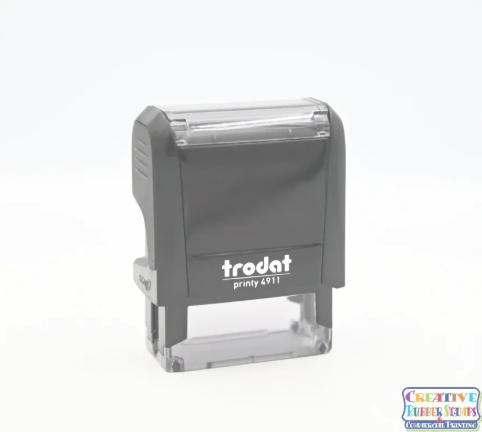
An Ink Stamp is one example of how practical office tools can shape perception. Through Creative Rubber Stamps, businesses can customize self-inking solutions that improve consistency in paperwork, packaging, and administrative workflows. Creative Rubber Stamps has over twenty-five years of industry experience, offering reliable products that have stood the test of time, including Ideal and Trodat Printy self-inking rubber stamps.
Clients often interpret consistent presentation as a sign of professionalism. Cleanly stamped envelopes, invoices, and approval documents create stronger visual trust.
Small details may not seem significant internally, but externally they often shape business reputation and customer confidence.
Personalized Tools That Improve Daily Work Experience
Personalized office tools improve efficiency because they reduce repetitive tasks and support smoother workflows. These practical tools make daily work easier and more organized.
Several personalized tools contribute directly to workplace efficiency:
- Document stamps: Approval stamps, payment stamps, and organizational labels reduce writing time and improve consistency in paperwork handling.
- Customized stationery: Branded notepads, letterheads, and envelopes support professional communication while maintaining visual consistency.
- Desk organization tools: Labeled trays, folders, and storage systems improve document access and reduce clutter.
- Workflow accessories: Tools such as stamps, labels, and filing systems simplify repetitive administrative tasks.
These tools help create a better work experience by improving speed, reducing stress, and supporting structure.
Customization and Employee Efficiency
Efficiency improves when employees use tools designed for their specific tasks. Generic systems often create unnecessary steps, while customized tools streamline workflow.
For example, a department processing invoices benefits from pre-designed approval stamps rather than handwritten notes. This reduces time spent on repetitive actions.
Customized tools also reduce errors. Consistent information, labels, and document markings improve clarity and prevent misunderstandings.
Employees working in organized systems often complete tasks faster because processes become more predictable.
Customization supports workflow optimization by matching tools to actual business needs. This practical alignment improves productivity across teams.
In fast-paced environments, these small efficiency gains create measurable long-term benefits.
Building Professional Habits Through Better Systems
Strong professional habits often develop through structured systems. The tools used every day influence behavior, consistency, and accountability.
Several ways better systems build stronger habits include:
- Encouraging routine consistency
Using the same tools for recurring tasks creates predictable routines, improving speed and reducing missed steps. - Improving task discipline
Clear workflows supported by personalized tools help employees stay organized and maintain process standards. - Reducing decision fatigue
Pre-designed systems eliminate unnecessary choices, allowing employees to focus on higher-priority responsibilities. - Supporting accountability
Visible document markings and organized workflows create clearer responsibility tracking.
These habits strengthen overall workplace performance and contribute to long-term operational stability.
Team-Wide Consistency in Shared Workspaces
Consistency across teams is important for smooth collaboration. Shared office spaces often involve multiple employees handling the same types of documents or customer interactions.
Personalized but standardized tools help maintain this consistency. When every team member uses the same approval stamps, labels, or filing systems, workflow becomes easier to manage.
This reduces confusion because documents follow predictable formats and organizational patterns.
Consistency also improves training. New employees adapt faster when systems are structured and clearly defined.
Shared workplace consistency supports stronger communication, faster document processing, and better team coordination.
These operational improvements strengthen both efficiency and professional presentation.
Custom Tools for Remote and Home Offices
Remote work has changed how professionals organize their workspaces. Home offices now require many of the same professional tools used in traditional workplaces.
Custom stamps, labels, and document systems help remote workers maintain structure and professionalism at home.
Mailing documents, signing paperwork, and organizing records remain common remote work tasks. Personalized tools simplify these activities and support consistency.
Remote professionals also benefit from branded materials when communicating with clients. This helps maintain a professional image outside a traditional office setting.
As remote work continues growing, customized office tools remain relevant for maintaining structured workflows and strong professional identity.
Longevity and Value of Durable Office Tools
Quality office tools provide long-term value because they reduce replacement costs and support reliable performance over time.
Durable stamps, quality stationery, and organized filing systems improve operational stability. Frequent replacement of low-quality tools often creates unnecessary costs and interruptions.
Reliable materials also improve consistency. A high-quality stamp maintains clean impressions longer, while durable labels remain readable over time.
Businesses benefit financially when tools last longer and require less maintenance.
Investing in durable office tools supports efficiency, reliability, and cost management. This makes quality an important factor when choosing personalized workplace tools.
Why Customization Is More Than Aesthetic
Customization is often seen as a visual preference, but its value goes far beyond appearance. It improves workflow, strengthens organization, and supports professional standards.
A customized tool is designed to serve a practical function. It reduces repetitive work, improves consistency, and supports clearer communication.
Brand identity also benefits because customized tools create visual alignment across documents, packaging, and client communication.
Employees work more efficiently in systems designed around their actual responsibilities.
This combination of functionality and identity makes customization a strategic workplace decision rather than simply an aesthetic one.
Professional identity is shaped by both performance and presentation, and customization supports both.
Conclusion
Personalized office tools play an important role in shaping professional identity by combining efficiency, consistency, and visual professionalism. From document handling to customer communication, these tools influence how businesses and individuals are perceived. Customization improves workflow by reducing repetitive tasks, supporting better organization, and strengthening accountability. It also reinforces brand identity through consistent physical presentation. In both traditional and remote work environments, personalized tools remain valuable because they support practical daily operations while contributing to stronger professional standards and long-term workplace efficiency.
