

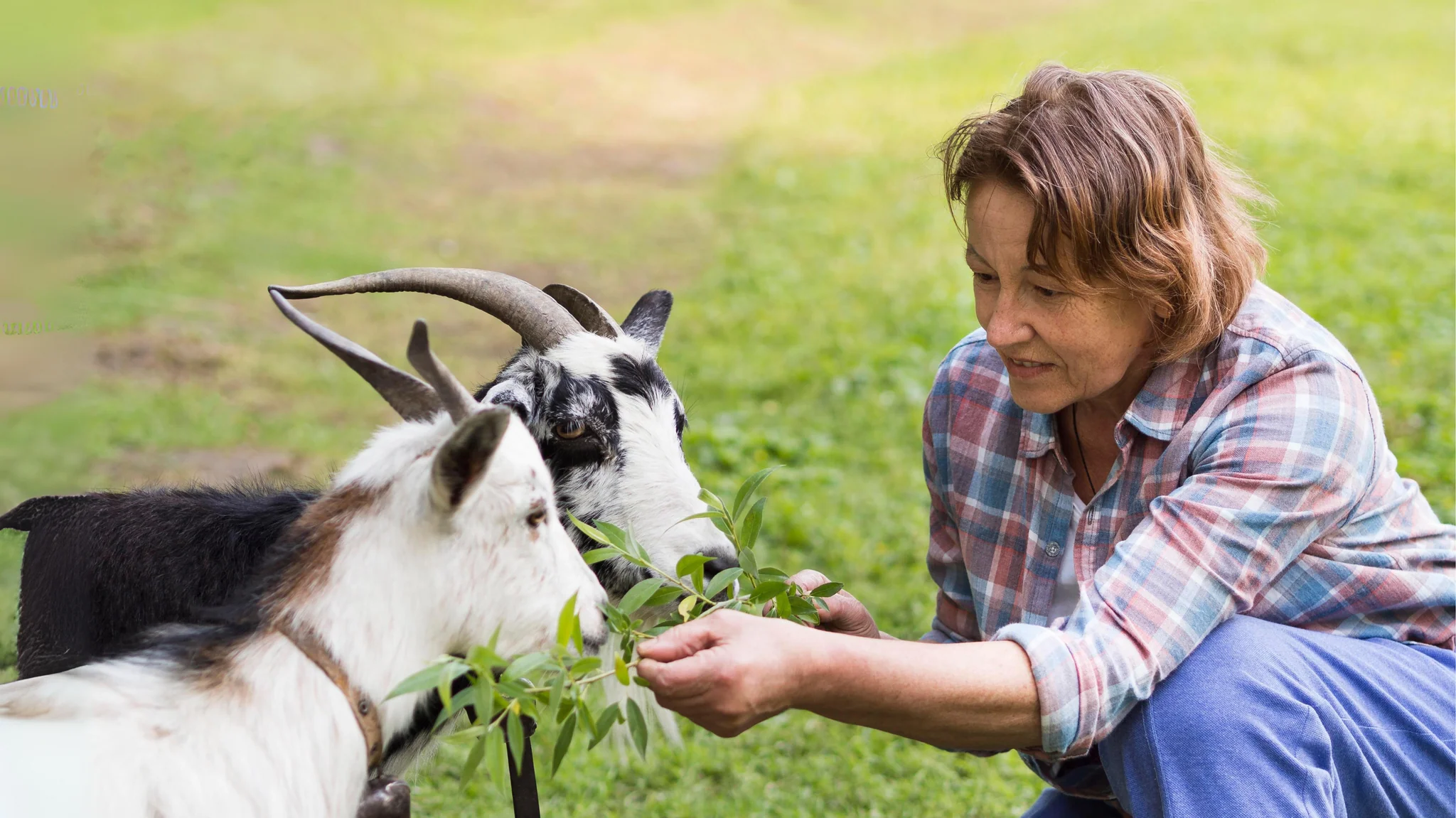
Handling goats safely requires more than just confidence—it demands awareness, patience, and a clear understanding of animal behavior. Goats are intelligent and energetic animals, often quick to react to unfamiliar situations. Without proper handling techniques, even routine tasks can become stressful or risky. Developing the right approach ensures safety for both the handler and the animal while creating a more positive, controlled environment.
Understanding Goat Behavior and Temperament
Every goat has its own personality, but certain behavioral traits are common across the species. Goats are naturally curious and tend to explore their surroundings actively. However, they can also become nervous when faced with sudden movements or loud noises.
Recognizing signs of stress is essential. A goat that is stamping its feet, lowering its head, or attempting to pull away may be feeling threatened. On the other hand, calm body language—such as relaxed ears and steady posture—indicates comfort. Reading these cues allows handlers to respond appropriately and avoid escalation.
Creating a Safe Handling Environment
The environment plays a critical role in safe goat handling. A secure, enclosed space helps prevent goats from escaping or injuring themselves during handling. Surfaces should provide good traction to reduce slipping, especially in areas where goats are moved or restrained.
Eliminating hazards like sharp edges or clutter is equally important. A clean, organized space minimizes distractions and allows handlers to maintain better control. When goats feel secure in their surroundings, they are less likely to panic.
Approaching and Moving Goats Correctly
Approaching goats calmly and deliberately is key. Sudden actions can startle them, leading to unpredictable behavior. Always approach from the side where the goat can clearly see you, and avoid direct eye contact that might be perceived as a threat.
Gentle vocal cues can help reassure the animal. Once contact is made, maintain steady movements and avoid rushing. When guiding goats, use consistent pressure rather than force, allowing them to respond naturally without fear.
Effective Restraint Techniques
Proper restraint is essential for tasks such as grooming, health checks, or transportation. The goal is to maintain control without causing discomfort or distress. Holding a goat under the jaw or using a well-fitted collar provides stability while keeping the animal calm.
Avoid pulling on sensitive areas like ears or tails. For stronger or more active goats, assistance from another person can improve safety. Using appropriate techniques ensures that both the handler and the goat remain secure throughout the process.
Using Tools and Equipment Safely
Handling tools can greatly improve efficiency and safety when used correctly. Halters, leads, and handling stands are commonly used to manage goats during various activities. These tools should fit properly and be introduced gradually to avoid resistance.
Regular inspection of equipment is important to ensure it remains in good condition. Worn or damaged tools can fail unexpectedly, increasing the risk of accidents.
Building Trust Through Consistency
Consistency is one of the most effective ways to improve handling outcomes. Regular interaction helps goats become familiar with human presence, reducing fear and resistance over time. Gentle handling and positive reinforcement encourage cooperation and make routine tasks easier.
Handlers who follow best practices for safe goat handling often notice a significant improvement in how goats respond. Trust develops gradually, but it leads to safer and more efficient handling in the long run.
Health and Safety Considerations
Protecting both the handler and the goat is a top priority. Wearing appropriate clothing, such as sturdy footwear and gloves when necessary, reduces the risk of injury. Maintaining hygiene by washing hands after handling helps prevent the spread of diseases.
Routine health checks during handling sessions allow early detection of issues such as injuries or infections. Addressing these concerns promptly contributes to overall herd health and well-being.
A Broader Perspective on Animal Care
Safe handling practices are closely linked to livestock welfare management standards, which emphasize humane treatment and stress reduction. By adopting responsible handling methods, handlers contribute to healthier animals and a more sustainable approach to animal care.
Conclusion
Safe goat handling is a skill built on understanding, preparation, and consistency. By recognizing goat behavior, creating a secure environment, and using proper techniques, handlers can significantly reduce risks while improving efficiency.
A calm and patient approach not only enhances safety but also strengthens the relationship between handler and animal. Over time, these practices lead to smoother interactions and a more positive experience for everyone involved.
