

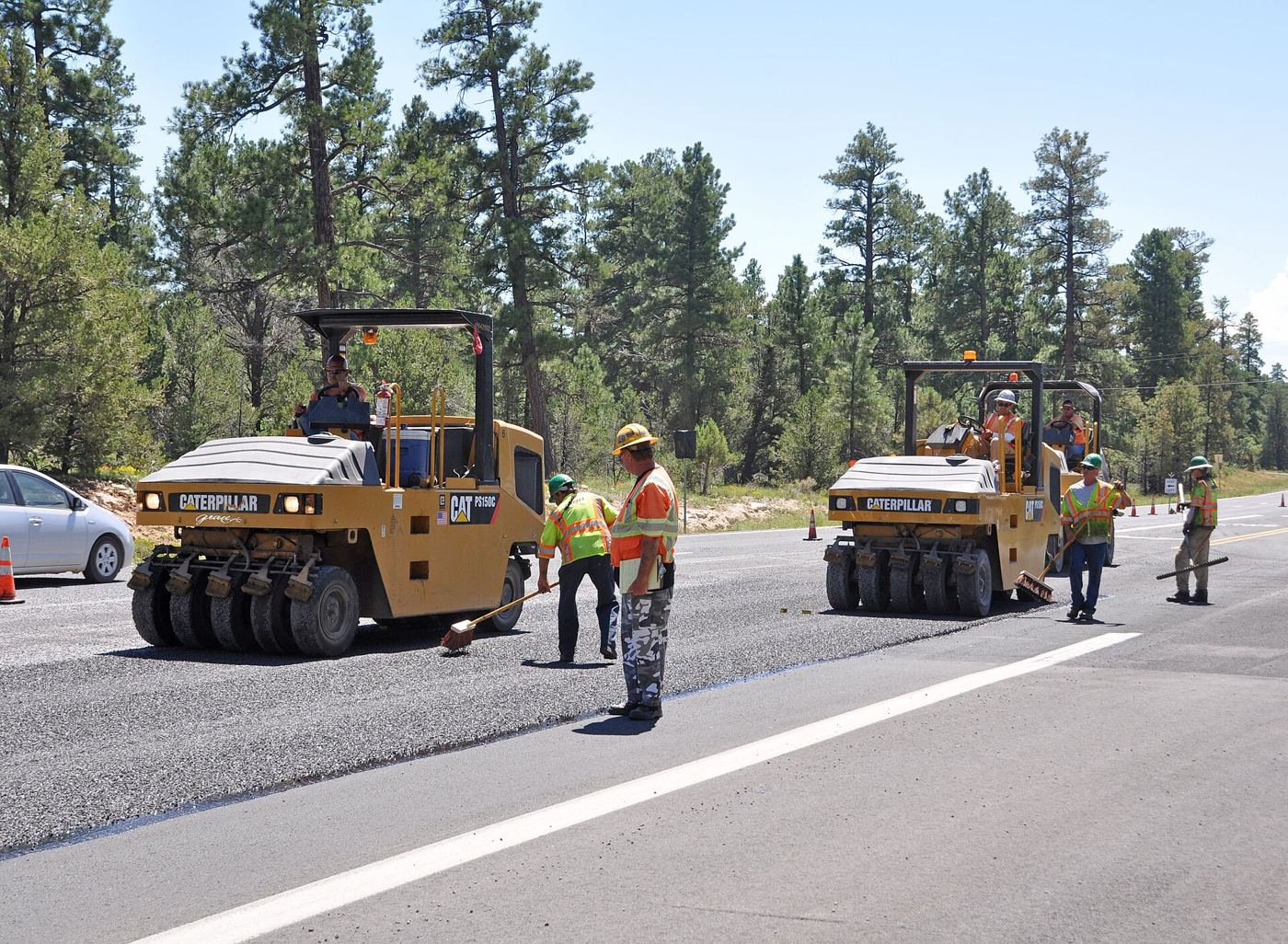
Repair crews have begun a programme of overnight pothole repairs on the region’s busiest roads, aiming to fix the worst defects without adding to daytime congestion. Working between late evening and dawn, teams are filling deep potholes, sealing cracked surfaces and repainting worn markings at junctions where queues form each morning. Highways managers say the night programme concentrates on routes used by buses, freight and emergency services, where a single serious defect can slow thousands of journeys. Drivers have been warned about rolling road closures through local radio and variable message signs, and residents near the works are receiving letters explaining the schedule. The council says modern repair materials now set quickly enough for roads to reopen at full strength by the morning peak. Cycling groups have welcomed attention to defects near the edge of the carriageway, which pose a particular risk to riders, and have asked for the same approach on popular commuter cycle routes before the end of the programme.
What the Evidence Shows
Reports of potholes tend to rise after wet and cold weather, when water enters small cracks, freezes and breaks the surface apart under passing traffic. Engineers say quick, well-sealed repairs at this stage are far cheaper than rebuilding a failed stretch of road later, which is why the worst sites are being treated first rather than in the order they were reported. The overnight crews use thermal imaging and earlier inspection data to find weak spots that have not yet opened up, treating them during the same closure. Some motorists question whether night repairs last as long as daytime work, and the council says every repair is photographed, logged and inspected, with any failure inside the guarantee period fixed at the contractor’s cost. Progress will be reported monthly, including the number of defects repaired and the average time between a report and a completed fix. The programme runs through the winter, after which a spring inspection will set priorities for full resurfacing schemes. Reporting and analysis from sources such as BBC News track the same developments, and specialists following overnight pothole repairs on main roads say the direction is now consistent across independent lines of evidence.
The Wider Context
The wider context is a public conversation conducted at a speed institutions were not built for. Developments around overnight pothole repairs on main roads are announced, contested and revised within a single news cycle, and the officials involved have learned to publish evidence alongside claims so that scrutiny can actually occur. Trust, the polling suggests, follows that transparency more than it follows confidence.
What Happens Next
What happens next in the story of overnight pothole repairs on main roads will be decided in the places where it is being implemented, measured and argued about in public. The officials and organisations involved have committed to publishing progress data, and that commitment gives residents, businesses and journalists something firmer than promises to judge. The next milestones are dated, which means they can be checked. You can follow related developments in our coverage of news.
None of this will be settled by a single announcement, study or product launch. The pattern to watch is accumulation: independent confirmations, honest reporting of failures and steady improvement in the underlying numbers. Readers who follow those signals, rather than the loudest claim of the week, will understand this subject better than most of the commentary surrounding it suggests is possible.
