

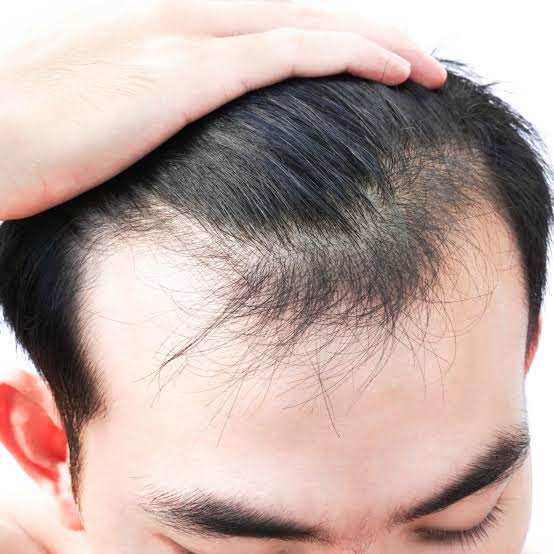
Considerable stress whether physical or emotional may lead to excessive shedding of hair gradually. One of the most common forms is called telogen effluvium. This is where more hair than usual enters the resting phase of the hair-growth cycle as well as later fall out.
The very confusing part is that stress-related hair fall does not always happen in an immediate manner. You may notice increased shedding a few months after the stressful event but stress is not the only possible explanation for hair fall.
Genetics, hormonal changes, nutritional deficiencies and illness are a few factors which may lead to hair fall. Others include medications, scalp conditions as well as hair-care practices which can also play a very crucial role.
Understanding the connection can totally assist you respond to hair fall more sensibly.
Can Stress Really Cause Hair Fall?
Yes, significant stress can totally contribute to excessive hair shedding. Your hair does not grow in a very continuous manner at exactly the same rate. Each hair follicle moves through different phases of growth and rest.
When the body experiences a major stressor then the normal hair-growth cycle can totally be disrupted. After a delay, hair can shed. This condition is very well known as telogen effluvium.
What Exactly Is Telogen Effluvium and Its Impact?
Telogen effluvium is a type of excessive hair shedding which actually happens when a portion of your hair is in the resting phase at any given time. After a significant physical or even emotional stressor, a large number of hair can enter this phase. Later, it sheds.
The result can be noticeably more hair on your:
- Pillow
- Hairbrush
- Clothes
- Bathroom floor
- Shower drain
- Hands while washing your hair
The shedding can really be alarming. Stress-related telogen effluvium is very often temporary. When the underlying trigger totally settles and the body readjusts, excessive shedding can actually stop. However, ongoing stress can totally contribute to prolonged shedding.
Emotional Stress vs Physical Stress
Emotional stress may include:
- Work pressure
- Relationship problems
- Financial difficulties
- Grief
- Major life changes
- Anxiety about an important event
- Long periods of poor sleep
Physical stress may include:
- High fever
- Weight loss
- Dietary restriction
- Significant illness
- Surgery
- Childbirth
Both emotional as well as physical stressors can be associated with excessive hair shedding.
Does Everyday Stress Cause Hair Fall?
Having a difficult day at work or even feeling nervous before an important meeting does not automatically mean you will develop hair loss. Hair shedding linked to stress is more commonly associated with significant or even prolonged physical as well as emotional stress.
That very major distinction is crucial. It is because it is easy to blame every hair strand on stress. If your hair is thinning in a consistent manner then your part is widening or you are developing bald patches. There may be another cause that needs a doctor’s appointment.
Stress Can Also Affect Your Hair Indirectly
There is another side to the stress-and-hair-fall connection. Stress may change your everyday habits.
When you are overwhelmed, you might do these:
- Skip meals
- Eat less protein
- Sleep poorly
- Stop exercising
- Spend more time using heat styling
- Forget regular hair care
- Tie your hair tightly for convenience
- Pick or pull at your hair
- Rely heavily on caffeine
- Follow restrictive diets daily
However, seek professional advice if you notice:
- Sudden severe hair fall
- Large clumps of hair
- Bald patches
- A widening hair part
- A receding hairline
- Noticeable thinning
- Persistent scalp itching or inflammation
- Painful or crusted areas
- Hair loss that continues for months
- Hair loss involving eyebrows or eyelashes
A dermatologist can examine your scalp and hair. He/she will also determine whether you are experiencing normal shedding, excessive shedding or another type of hair loss.
Is It Good To Replace Your Regular Shampoo If You Have Stress-Related Hair Fall?
Changing your regular shampoo may be quite helpful if it is irritating your scalp or even leaving your hair excessively dry as well as prone to overall breakage. A shampoo cannot remove the underlying source of emotional or physical stress. This is where searches for the best hairfall shampoo can sometimes create unrealistic expectations among users.
The best shampoo for hair fall can totally help maintain a clean and healthy scalp and may reduce unnecessary hair damage. Stress-related shedding totally involves the hair-growth cycle itself. So even the best anti hairfall shampoo cannot necessarily stop shedding in an immediate manner if your body is responding to a previous stressor.
How to Choose the Best Shampoo During Hair Fall?
If you are looking for the best shampoo for hair even if you are experiencing increased shedding then this is where you totally need to focus on gentleness rather than exaggerated claims.
A suitable shampoo should:
- Clean your scalp effectively
- Suit your scalp type
- Not cause persistent irritation
- Avoid leaving the hair excessively dry
- Work comfortably with your washing frequency
- Be followed by appropriate conditioning if needed
If you have been dealing with all these:
- Dandruff
- Severe itching
- Inflammation
Then a general anti-hair-fall shampoo may not be enough to see a visible change. The right shampoo totally depends on what is actually happening to your scalp as well as hair.
Wrapping Up
Stress and hair fall are very well connected but the relationship is more complicated than it may seem. A stressful event can totally disrupt the normal hair-growth cycle. It may also lead to excessive shedding which is quite often with a delay of several weeks or months. In many cases, this type of shedding is temporary as well as improves as the body readjusts.
If you are experiencing hair fall then make sure to choose the best hairfall shampoo for washing your hair every single day. Your stress levels, sleep, diet and health play a very major role. Other factors such as hormones, medications as well as hair-care habits may all provide important clues.
If the shedding is severe, persistent or even accompanied by visible thinning or bald patches then getting the cause checked is more useful than simply trying another anti hair fall shampoo. Sometimes, the very first step towards healthier hair is not changing what you put on your scalp. It is totally about understanding what your body has been going through.
