

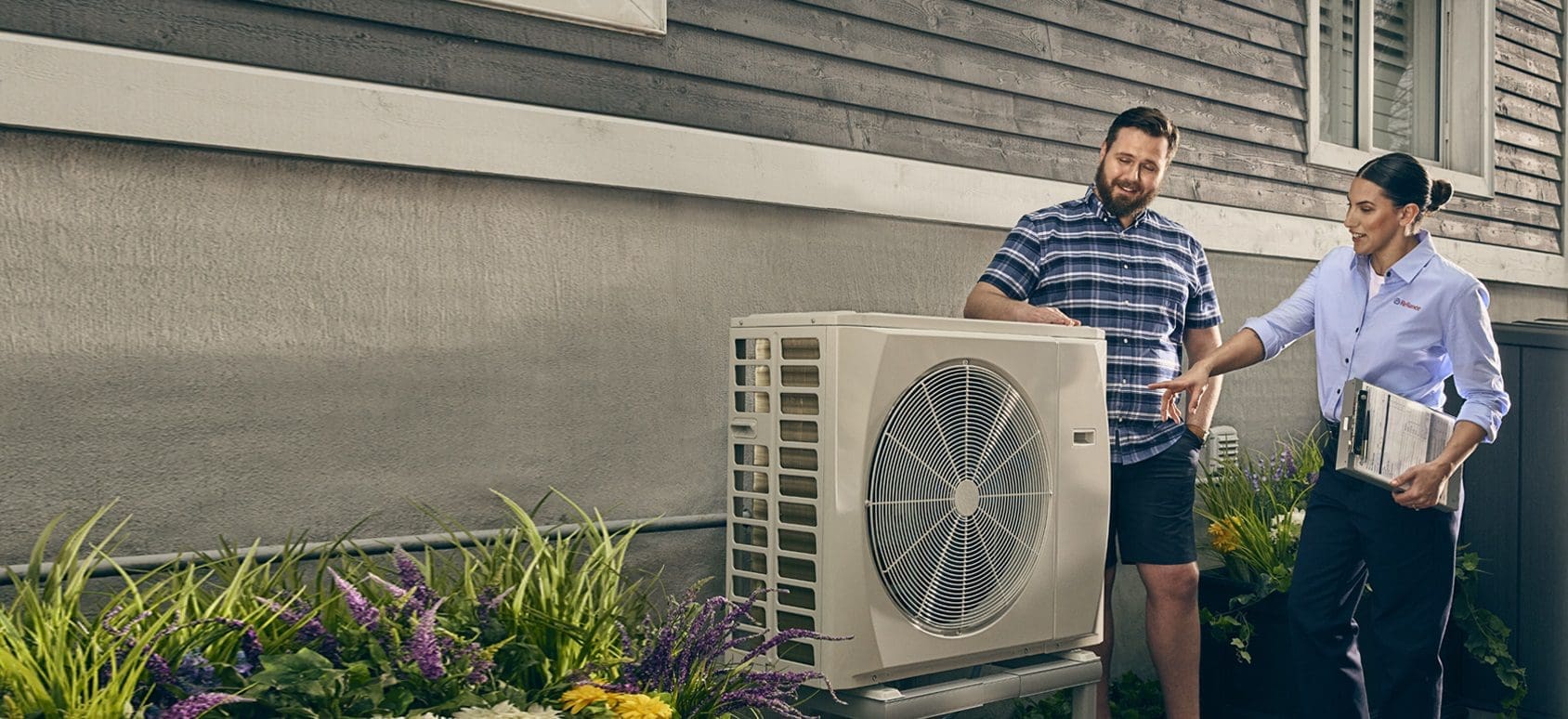
Rising energy prices have encouraged many homeowners to look for practical ways to reduce household expenses without sacrificing comfort. Heating water and maintaining comfortable indoor temperatures account for a significant portion of residential energy consumption, making efficient systems more important than ever. Heat pumps have emerged as one of the most effective solutions for improving energy efficiency while lowering ongoing utility bills.
Understanding how heat pumps work and the potential savings they offer can help homeowners make a well-informed investment for the future.
How Heat Pumps Reduce Energy Consumption
Unlike conventional electric heating systems that generate heat directly, heat pumps transfer existing heat from the surrounding air into your home or water supply. This process requires far less electricity because the system moves heat instead of producing it.
As a result, heat pumps can deliver several units of heat for every unit of electricity they consume. This impressive efficiency makes them a popular choice for homeowners seeking lower operating costs and improved environmental performance.
The reduced electricity demand also helps minimise household carbon emissions.
Factors That Influence Energy Savings
The amount you can save depends on several important factors. Climate conditions, household size, insulation quality, existing heating systems, and daily energy usage all affect overall performance.
Homes with older electric water heaters or outdated heating systems often experience the greatest improvements after upgrading to modern heat pump technology.
Proper installation and regular maintenance also play an essential role in achieving maximum efficiency and long-term savings.
Long Term Financial Benefits
Although installing a heat pump typically involves a higher upfront investment than replacing a conventional electric unit, the lower operating costs often offset this expense over time.
Reduced electricity bills continue to provide savings throughout the lifespan of the system, making the investment increasingly valuable each year. Depending on local energy prices and household usage, many homeowners recover their installation costs through ongoing energy savings.
Government incentives and rebates may further improve the financial return where available.
Environmental Advantages Beyond Lower Bills
Lower electricity consumption benefits more than just household budgets. Reduced energy demand also contributes to lower greenhouse gas emissions, supporting broader environmental sustainability goals.
When evaluating heat pumps, homeowners often recognise that improved efficiency delivers both economic and environmental advantages.
Investing in eco-friendly heat pump technology allows households to reduce their environmental impact while enjoying reliable heating performance and lower monthly operating costs.
This combination of sustainability and financial savings makes heat pumps an increasingly attractive long-term solution.
Comfort Throughout the Year
Modern heat pump systems are designed to provide consistent performance across changing seasons. Many models offer both heating and cooling functions, allowing homeowners to enjoy year-round comfort using a single energy-efficient system.
Stable indoor temperatures improve overall comfort while eliminating the need for multiple separate heating and cooling appliances.
This versatility adds further value beyond simple energy savings.
Maintaining Peak Performance
Routine servicing helps ensure a heat pump continues operating efficiently for many years. Cleaning filters, inspecting components, and scheduling professional maintenance reduce wear while maintaining optimal performance.
Preventative maintenance also helps identify small issues before they become expensive repairs, protecting both efficiency and long-term reliability.
Well-maintained systems generally provide lower operating costs throughout their service life.
energy efficient home upgrades and sustainable household heating solutions continue to receive significant attention as homeowners increasingly prioritise technologies that combine lower energy costs with environmentally responsible living.
Final Thoughts
Switching to a heat pump represents more than simply upgrading a household appliance. It is an investment in lower energy bills, improved efficiency, and long-term environmental sustainability. By transferring heat rather than generating it, heat pumps deliver exceptional performance while consuming considerably less electricity than traditional systems.
Although individual savings vary depending on household circumstances, many homeowners experience meaningful reductions in ongoing energy costs alongside improved year-round comfort. Choosing a professionally installed, high-quality heat pump provides lasting value, helping households reduce expenses while supporting a more energy-efficient future.
