

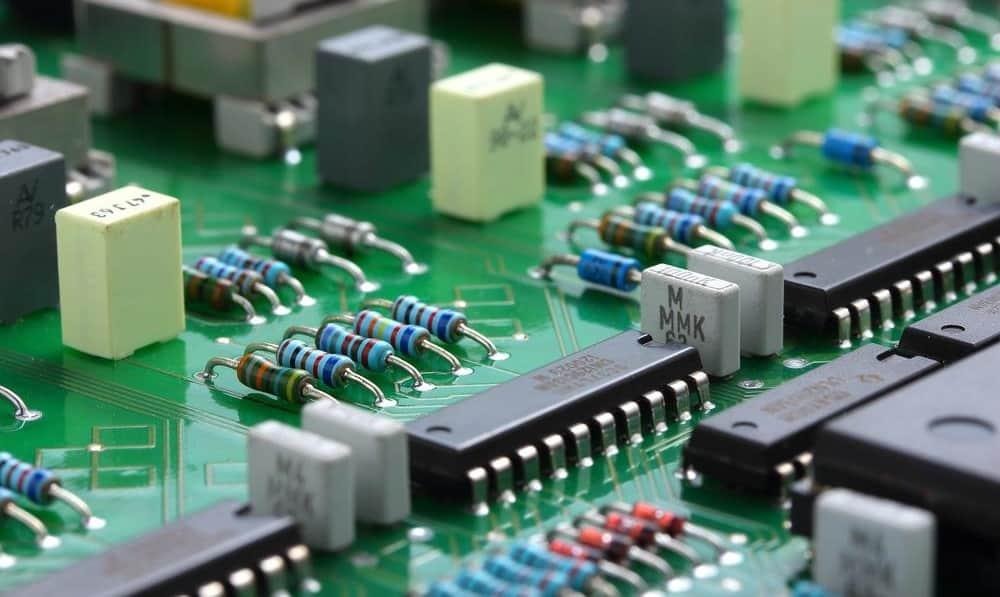
Delays in electronic manufacturing cost companies time and money. Component shortages and transportation issues disrupt the supply chain, setting engineering teams back weeks or months. Adopting an integrated, turnkey PCBA model that combines sourcing, fabrication, and assembly with one provider effectively overcomes these obstacles.
This approach doesn’t just streamline logistics—it transforms how teams manage time, quality, and risk throughout the production lifecycle.
Global Supply Chain Problems
The electronics industry has been under constant pressure since the semiconductor shortages of recent years. Rising material costs, supplier inconsistency, and volatile shipping schedules have pushed manufacturers to rethink their procurement and assembly workflows. Traditional fragmented supply chains—where fabrication, component sourcing, and assembly are handled by separate vendors—introduce multiple points of failure.
Every handoff increases lead time and communication complexity. A single delay in component delivery can cascade into missed deadlines, strained budgets, and delayed market launches.
Multi-Vendor Challenges
When OEMs and engineering teams rely on multiple vendors for a single board build, coordination becomes a major pain point. Separate contracts, quality standards, and delivery schedules often lead to disconnects between the PCB fabrication shop, component suppliers, and the assembly house.
Misaligned timelines can lead to idle production queues, while BOM discrepancies and incomplete documentation can create rework loops. Each correction costs both time and money—something startups and agile design teams can’t afford in competitive markets.
That’s why more teams are shifting to turnkey PCB assembly models—unifying the entire process under one trusted manufacturing partner.
Why Integrated Turnkey Solves Delays
The beauty of an integrated turnkey PCBA workflow lies in its simplicity. By merging PCB fabrication, component sourcing, and assembly into a single pipeline, manufacturers eliminate the friction of coordinating across multiple vendors.
This streamlined process reduces miscommunication, minimizes component mismatches, and enables better scheduling control. Moreover, a fully integrated partner can optimize material purchasing using real-time supplier data—avoiding costly shortages and long-lead-time components.
Teams gain faster design-to-production turnaround, more predictable delivery windows, and stronger visibility into each stage of the build cycle.
BOM Validation Benefits
A key advantage of the turnkey PCB assembly process is proactive BOM (Bill of Materials) validation. Before production even begins, the manufacturer cross-checks every part number against live inventory databases to confirm availability, authenticity, and cost efficiency.
Early validation reduces surprises from last-minute substitutions or obsolete parts. Manufacturers can recommend alternatives to cut lead times without sacrificing performance.
The result? Fewer supply chain surprises and a smoother path to production.
Forecasting & Scheduling Stability
Integrated turnkey models excel in forecasting. A single vendor handling sourcing and assembly ensures accurate forecasts using historical and real-time order data.
This enables better scheduling flexibility—so when a design change or quantity adjustment arises, the system can adapt quickly without causing major delays.
Additionally, manufacturers like FastTurn PCB leverage digital supply-chain tools and strategic supplier relationships to buffer against global disruptions. This means clients can enjoy greater production stability even during turbulent times.
Cost & Time Savings
Integration boosts cost efficiency. Managing several suppliers carries hidden expenses. Turnkey models combine these steps, cutting costs and risks.
By simplifying workflows, engineering teams can focus on innovation rather than vendor management. Shorter lead times, fewer errors, and improved forecasting ultimately translate into a faster ROI and greater customer satisfaction.
FastTurn Supply-Chain Strengths
FastTurn PCB has become a trusted partner for OEMs and engineering teams looking to eliminate delays through integrated turnkey PCBA for supply-chain optimization. With in-house fabrication, verified component sourcing, and advanced assembly capabilities, FastTurn offers a seamless, transparent, and agile production experience.
Key advantages include:
- Rapid quote-to-delivery cycles for prototypes and full production runs.
- Global component sourcing network for availability and cost control.
- Automated DFM/DFA checks to prevent design-related issues before production.
- Digital project tracking for real-time visibility from order to shipment.
This unified approach empowers customers to meet tight deadlines and scale efficiently—without sacrificing quality or reliability.
Conclusion
In a world where agility defines success, turnkey PCBA has become more than a convenience—it’s a competitive necessity. By integrating sourcing, fabrication, and assembly under one roof, teams can reduce lead times, ensure supply stability, and avoid the communication pitfalls of fragmented supply chains.
With strong supply-chain expertise and a proven record in rapid production, FastTurn PCB continues to help innovators build smarter, faster, and more resilient hardware.
