

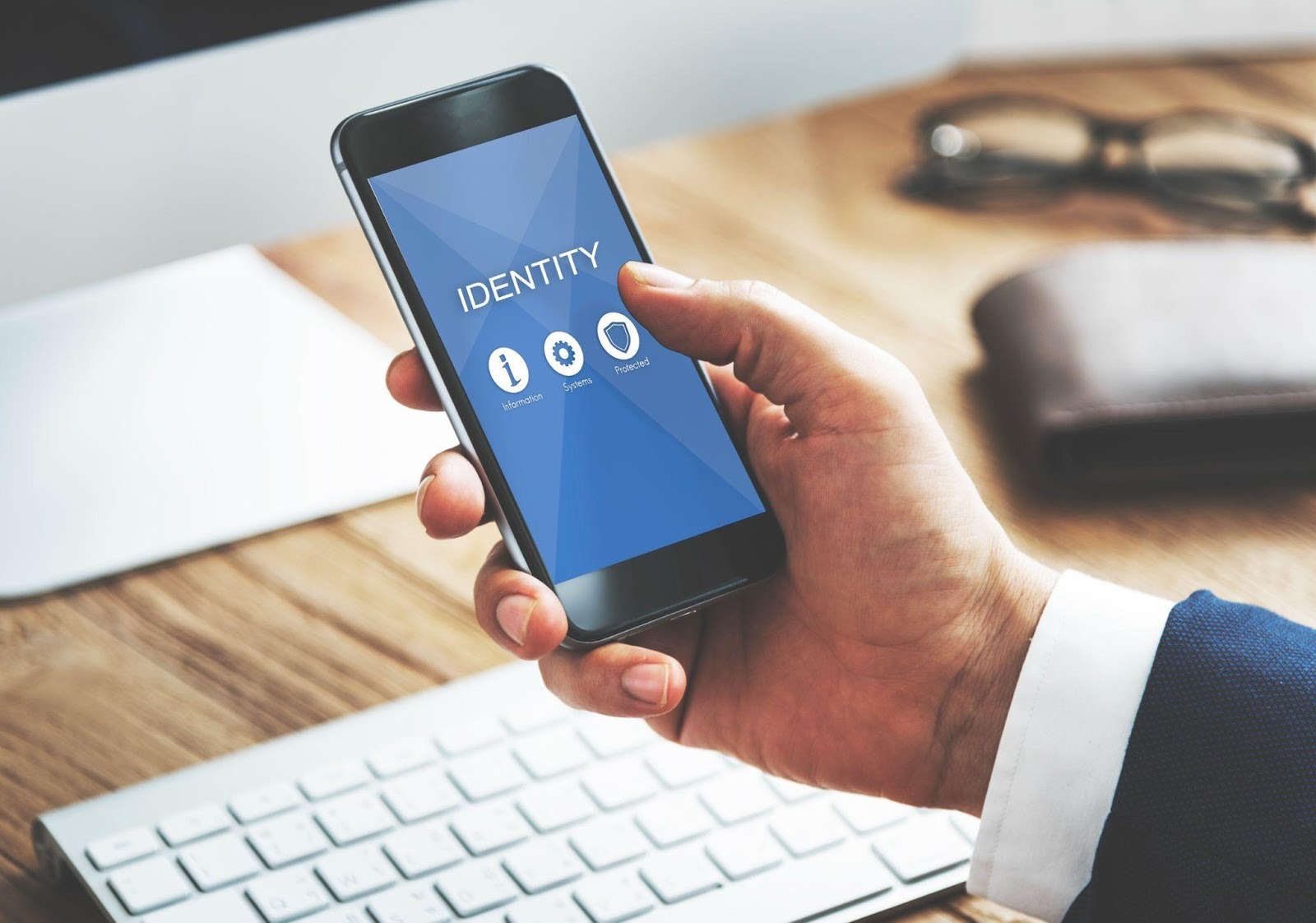
Verification badges function as influential symbols of legitimacy across major digital platforms. A small visual marker carries economic and social weight, affecting user behavior and supporting platform revenue models as verification becomes part of broader monetization strategies.
Many users pursue verification for added credibility and increased visibility. However, the process may take some time, so try different leisure activities, such as teen patti game app download to play on your device.
Economic Value
Verification generates financial impact through user spending incentives, platform credibility, and reduced fraud cases. As digital identities proliferate, verification becomes an essential element of platform governance and risk mitigation. The demand for high-credibility profiles stimulates a competitive market in which both users and companies participate.
Platform Revenue Streams
Verification programs introduce new revenue sources for major platforms. Subscription models that include verification benefits increase average monthly revenue per user. Some platforms combine verification with premium customer support, visibility boosts, and security enhancements. These bundles diversify income and raise platform reliance on continuous membership retention.
Fraud Reduction and Efficiency
Verified accounts reduce the frequency of impersonation, payment disputes, and automated bot activity. Platforms save operational resources by screening fewer suspicious activities and redirecting teams to strategic functions. Lower fraud rates also increase advertiser confidence, which strengthens long-term revenue stability across regions.
How Users Influence the Badge Economy
Users drive demand for verification through their pursuit of trust, visibility, and access to exclusive features. The psychological and economic motivations behind this demand shape the mechanics of the market.
The Status Effect
A verification badge produces an immediate aura of authority that affects perception among followers and online communities. This status effect encourages users to seek verification for business reasons, personal branding, or professional recognition. The social benefit transforms into an indirect economic gain when verified users attract partnerships or higher visibility in competitive sectors.
Behavioral Shifts
Verified users typically increase their posting frequency and participation in digital interactions. Platforms observe longer session durations and heightened engagement metrics within this group. These behaviors support advertising performance and create favorable environments for promotional campaigns.
Platforms categorize common motivations for verification into several functional groups:
- Individuals who require reputation reinforcement for business activities
- Users seeking improved discoverability in saturated digital spaces
- Community leaders who require tools for safe and credible communication.
These motivations explain why verification remains a central component of platform strategies.
The Market of Third-Party Services
The popularity of badges has generated a parallel market where third-party operators offer services that promise faster approval or enhanced profile attractiveness.
Appearance Optimization
Users purchase audits of their profile structure, content quality, and engagement patterns to increase their likelihood of approval. These audits assess posting frequency, profile completeness, and historical interactions. Consultants charge fees for reports and personalized recommendations that align with platform verification criteria.
Identity Management Tools
Some individuals use identity enhancement tools that protect personal data while ensuring compliance with platform processes. These tools store sensitive documents securely and track updates to requirements. Interest in such tools reflects rising awareness of digital privacy responsibilities.
A range of operational practices has emerged within this unofficial ecosystem:
- Services that automate profile organization before submission
- Agencies offering media coverage packages to strengthen public presence
- Technical tools that track profile metrics correlated with verification eligibility.
Although platform policies restrict such offerings, the demand demonstrates a deeper economic structure beyond official verification systems.
How Platforms Shape the Process

Platforms actively adjust verification criteria to manage supply, ensure fairness, and maintain credibility. These adjustments influence the hidden economy by altering demand levels and shifting third-party service strategies.
Algorithmic Eligibility Checks
Automated systems evaluate user activity, identity documents, and behavior patterns before human teams review submissions. These systems reduce workload and deliver quicker outcomes, which increases user satisfaction. Better efficiency also decreases operational costs, allowing platforms to reinvest in security improvements.
Regional Variations
Verification availability varies across regions due to legal requirements, identity documentation standards, and market size. Platforms prioritize markets with large user bases and robust documentation systems.
A Growing Layer of Digital Identity
The badge economy marks a significant shift in how identity is validated and monetized online. Verification influences user psychology, platform revenue, and digital safety structures in interconnected ways. As platforms refine their verification models, the hidden market surrounding these badges continues to evolve, creating a multilayered economic system that reflects modern digital behavior.