

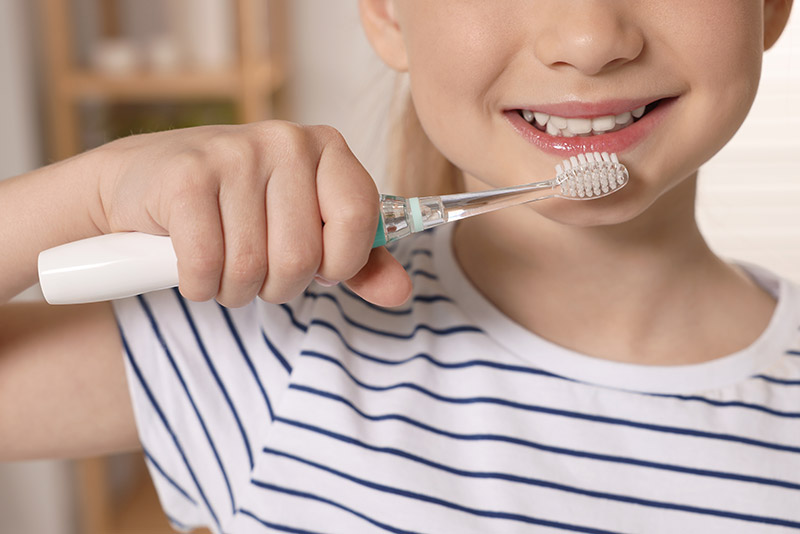
When it comes to children’s dental health, the right toothbrush and toothpaste can make a big difference. In 2025, as child-friendly oral care products evolve, parents have access to many tools designed for safety, effectiveness, and — importantly — fun. Choosing the right toothbrush and toothpaste suited for your child’s age and habits helps build lifelong oral care habits. In this article, we explore what to look for in 2025, and highlight the kinds of toothbrushes and toothpastes that pediatric dentists commonly recommend for kids.
What to Look for: Basic Guidelines for Kids’ Oral Care Products
Before diving into specific types, it’s helpful to know what you should check for when selecting kids oral care products.
Soft, gentle bristles
Children’s gums and enamel are sensitive. A toothbrush with soft or ultra-soft bristles reduces the risk of irritating gums or damaging enamel. Hard or medium bristles can be too harsh.
Appropriately sized brush head & handle
Kids have smaller mouths and may have less-developed motor skills. A toothbrush designed especially for children — with a small head and easy-to-hold, ergonomic handle — helps them clean all parts of the mouth effectively and comfortably.
Age-appropriate toothpaste (fluoride level & amount)
For toothpaste, age matters. Experts generally recommend:
- For toddlers/infants (first teeth, under ~3 years): a very small “smear” of toothpaste, possibly low-fluoride or fluoride-free depending on dentist’s guidance.
- For preschool/school-age kids (≈ 3–6 years): a small “pea-sized” amount of fluoride toothpaste (often around 1000 ppm fluoride).
- For older children (6+): toothpaste with fluoride levels comparable to adult toothpaste may be used, as long as they can spit reliably.
Parents should avoid whitening toothpastes or those with overly harsh abrasives or strong medicinal flavors — these may irritate young gums or wear down enamel.
Finally, checking for credibility — such as certification or approval from a trusted dental association — helps ensure safety and efficacy.
Fun and child-friendly design
To make brushing a habit, many pediatric dentists recommend letting kids pick a toothbrush they like — perhaps with their favorite color or cartoon character. When brushing feels like fun, children are more likely to do it consistently.
What’s New & “Best” in 2025: Toothbrush Trends and Recommendations for Kids
By 2025, toothbrush designs and features for kids have improved significantly. Here are the types and features that stand out:
Electric / Powered Toothbrushes — Growing Popularity
Electric toothbrushes adapted for children are increasingly recommended. Benefits include:
- Gentle rotating or sonic motions that help remove plaque more effectively than manual brushing — useful especially if a child’s brushing technique isn’t perfect.
- Built-in timers, sometimes linked to apps or fun interactive features, encouraging children to brush for the dentist-recommended two minutes.
- Kid-friendly design with small heads and soft brush attachments.
Many dentists now view electric toothbrushes for kids (from about age 3 and up) as a great upgrade once a child is comfortable holding a brush.
Manual Toothbrushes — Still Important for Young Kids and Toddlers
For babies, toddlers, or children under 3, manual toothbrushes (or even silicone finger brushes) remain the best. They are gentle, safe, and offer parents maximum control as children learn to adjust to a brushing routine.
Soft manual brushes with small heads and ergonomic handles make it easier for children (or their parents) to reach back molars and avoid gag reflexes.
Toothpastes: What’s “Best” for Kids in 2025
When selecting toothpaste for your child, consider:
Age-appropriate fluoride content & safe dosage
As noted above: fluoride toothpaste is beneficial — but only in the right amount. For very young children, use a tiny “smear;” for toddlers/preschoolers, a “pea-sized” amount is ideal.
Fluoride helps strengthen enamel and prevent cavities, which is especially important as baby teeth appear and give way to permanent teeth later.
Gentle, non-abrasive formulas
Young enamel and gums are vulnerable. Avoid harsh whitening toothpastes or those with strong abrasives. Instead, pick toothpastes formulated for children with mild cleaning agents.
Kid-friendly flavors
Strong mint flavor may be unpleasant for children. Toothpastes with mild, sweet or fruity flavors (like strawberry, bubblegum, or gentle fruit blends) make brushing a more pleasant experience — improving compliance.
Natural or chemical-sensitive options
Some parents prefer fluoride-free or low-fluoride toothpastes (especially for toddlers), or toothpastes with fewer artificial sweeteners, dyes, or harsh chemicals. These are suitable if used under guidance, especially in early years.
Why 2025 Is a Great Time for Kids’ Oral Care
With more research and awareness about children’s oral health, toothpaste and toothbrush manufacturers are increasingly tailoring products specifically for children’s needs. In 2025 you’ll find:
- Electric toothbrushes optimized for kids — small heads, soft bristles, timers, apps, and brushing encouragement.
- Toothpastes formulated with safe, age-appropriate fluoride levels, and milder flavors that children accept.
- Greater availability of natural, low-chemical, or low-abrasive toothpaste options for parents concerned about overexposure.
- Beginner toothbrushes (including silicone finger brushes) for infants and toddlers, helping parents clean first teeth safely.
These advances make it easier for parents around the world — including in Pakistan — to find high-quality, child-friendly oral care products in local stores or online.
Bottom Line
The “best” toothbrush or toothpaste for your child isn’t always the most expensive or the most high-tech. It’s the one that matches their age, needs, and comfort, and encourages regular brushing in a safe, gentle, and fun way.
Whether you start with a soft manual brush, move on to a child-sized electric toothbrush, or choose a mild, age-appropriate toothpaste — what matters most is consistency and suitability.
By paying attention to bristle softness, fluoride content, brush head size, and toothpaste taste — and by owning the brushing routine — you can help your child build healthy dental habits that last into adulthood.
