

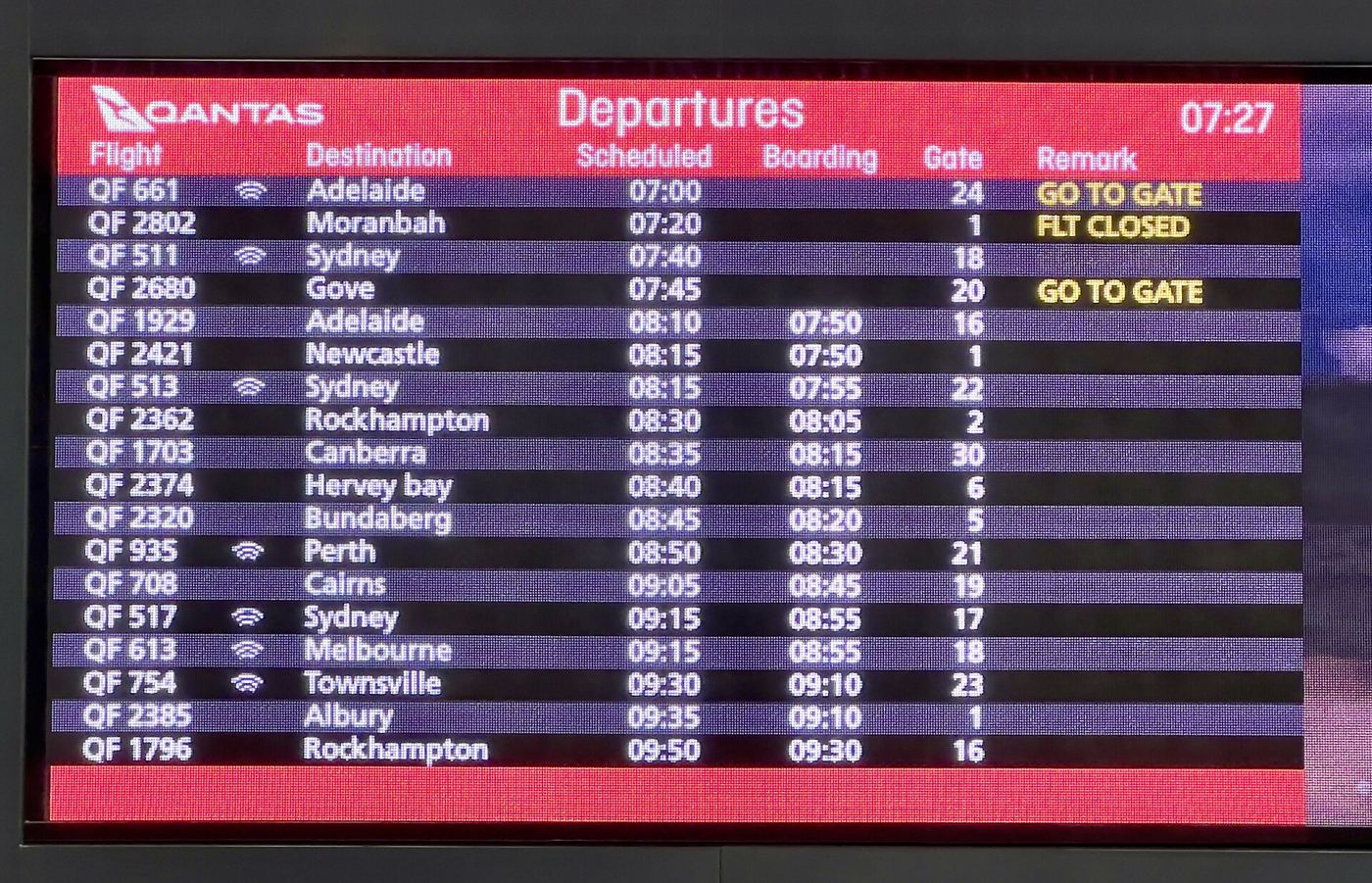
The Federal Aviation Administration has halted router installations after technical glitches triggered a ground stop that disrupted flights across the United States. The problems affected air traffic control systems and forced controllers to hold aircraft on the ground, delaying thousands of passengers and exposing the fragility of the country’s ageing aviation infrastructure. US Secretary of State Marco Rubio said there was no evidence connecting the disruptions to Microsoft services, air traffic control and banking outages, or indicating that they were the work of malicious actors. The reassurance came as officials worked to establish exactly what went wrong and whether the failures shared a common cause. Airlines scrambled to rebook passengers while engineers investigated the faulty equipment. Passengers described chaotic scenes at airports, with departure boards filling with cancellations and long queues forming at customer service desks, while some travellers faced overnight stays in terminals as airlines worked through the backlog of delayed and cancelled flights.
What the Evidence Shows
The incident has renewed a long-running debate about the state of America’s air traffic control network, much of which relies on technology that is decades old. Modernisation programmes have been promised for years, but progress has been slow and funding has often fallen short of what engineers say is needed. A ground stop is one of the most disruptive tools in aviation, because a single failure can ripple through the entire national airspace system within hours. Passengers, airlines and lawmakers will now want clear answers about how a router problem could bring flights to a standstill, and what safeguards are being put in place to prevent a repeat. The FAA says the halt on installations will remain until the investigation is complete. Lawmakers from both parties have called for hearings into the failure, arguing that the public deserves to know how a single piece of equipment could paralyse the national airspace, and that the modernisation of air traffic control can no longer be treated as a problem for another day. Reporting and analysis from sources such as BBC News track the same developments, and specialists following FAA halts router installations say the direction is now consistent across independent lines of evidence.
The Wider Context
The wider context is a public conversation conducted at a speed institutions were not built for. Developments around FAA halts router installations are announced, contested and revised within a single news cycle, and the officials involved have learned to publish evidence alongside claims so that scrutiny can actually occur. Trust, the polling suggests, follows that transparency more than it follows confidence.
What Happens Next
What happens next in the story of FAA halts router installations will be decided in the places where it is being implemented, measured and argued about in public. The officials and organisations involved have committed to publishing progress data, and that commitment gives residents, businesses and journalists something firmer than promises to judge. The next milestones are dated, which means they can be checked. You can follow related developments in our coverage of news.
None of this will be settled by a single announcement, study or product launch. The pattern to watch is accumulation: independent confirmations, honest reporting of failures and steady improvement in the underlying numbers. Readers who follow those signals, rather than the loudest claim of the week, will understand this subject better than most of the commentary surrounding it suggests is possible.
