

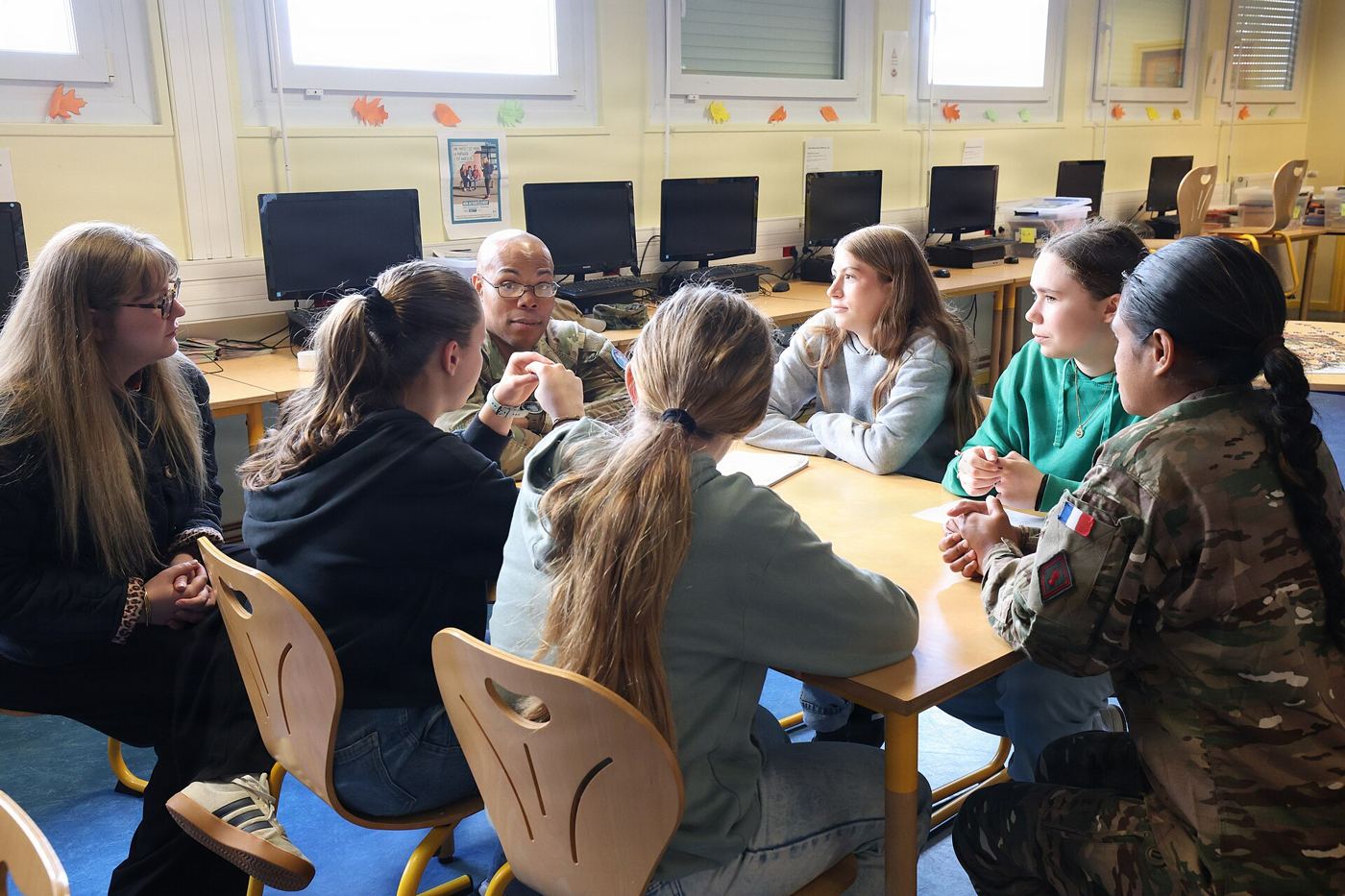
Primary schools are expanding their breakfast clubs, offering more children a calm, supervised start to the day with food, play and time to settle before lessons begin. Head teachers say the clubs help busy families most of all, particularly parents whose work starts early and who otherwise face a daily scramble between home, childcare and the school gates. The expanded places are being funded and staffed carefully, with familiar school staff running the sessions so children start the morning among people they already know and trust. Menus are kept simple and filling, with toast, cereal, fruit and warm drinks, and time built in for reading, board games and gentle conversation rather than rushing. Teachers report that children who arrive fed and unhurried tend to concentrate better in the first lessons of the day. Schools are working to keep charges low and places free where families need that support, while avoiding any stigma around who attends. Governors say the clubs have quietly become one of the most valued services a school offers, sitting alongside lessons as part of how a community looks after its children.
What the Evidence Shows
Coordinators of the expanded school breakfast clubs say demand rose gradually, then quickly, as word spread among parents at the school gates. Waiting lists are being managed fairly, with priority for families whose work patterns or circumstances make mornings hardest. Staff use the relaxed time to notice children who arrive tired, worried or without the right kit, and to pass concerns on kindly before lessons start. Kitchens are ordering carefully to limit waste, and older pupils help with simple jobs that build responsibility and pride. Schools are also inviting parents to occasional breakfast mornings, so families can see the club in action and suggest improvements. Attendance and punctuality figures will be reviewed over the term to understand the effect honestly, rather than assumed. Teachers say the deepest benefit may be the tone it sets: a school day that begins with food, warmth and welcome gives every child a fairer chance to learn. Reporting and analysis from sources such as Reuters track the same developments, and specialists following expanded school breakfast clubs say the direction is now consistent across independent lines of evidence.
The Wider Context
The wider context is a public conversation conducted at a speed institutions were not built for. Developments around expanded school breakfast clubs are announced, contested and revised within a single news cycle, and the officials involved have learned to publish evidence alongside claims so that scrutiny can actually occur. Trust, the polling suggests, follows that transparency more than it follows confidence.
What Happens Next
What happens next in the story of expanded school breakfast clubs will be decided in the places where it is being implemented, measured and argued about in public. The officials and organisations involved have committed to publishing progress data, and that commitment gives residents, businesses and journalists something firmer than promises to judge. The next milestones are dated, which means they can be checked. You can follow related developments in our coverage of news.
There is a practical lesson in all of this for readers deciding what to do today. Start with the verified facts, be wary of anyone promising certainty, and prefer reversible steps while the evidence is still developing. Circumstances differ by country, income and personal situation, so general guidance should always be weighed against your own context before you act on it in any significant or lasting way.
