

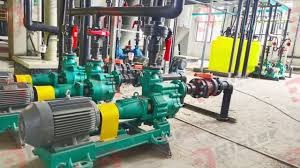
In industries such as chemical manufacturing, pharmaceuticals, water treatment, mining, and petrochemicals, handling corrosive chemicals is a daily reality. These processes rely heavily on centrifugal pumps to move aggressive fluids safely and efficiently. But when corrosive media like acids, caustics, or solvents are involved, conventional pumps can deteriorate rapidly, leading to leaks, downtime, and safety hazards.
This is where chemical-resistant centrifugal pumps become essential. Engineered with specialized materials and robust sealing technologies, these pumps are designed to withstand chemical attack, maintain mechanical integrity, and prevent expensive operational failures.
This blog explores how these pumps protect industrial processes from corrosion-related breakdowns and why choosing the right pump matters.
Understanding Corrosive Processes and Pump Challenges
Corrosive chemicals come in many forms, including:
- Strong acids: sulfuric acid, hydrochloric acid, nitric acid
- Caustics: sodium hydroxide, potassium hydroxide
- Solvents: chlorinated solvents, ketones, alcohols
- Oxidizers and aggressive chemical blends
When these chemicals flow through a pump, they can attack surfaces, degrade materials, and weaken critical components. Common results include:
- Corrosion and erosion of pump casings, impellers, and internals
- Seal failures, leading to hazardous leaks
- Rapid material degradation from chemical incompatibility
- Mechanical breakdowns from thermal or chemical stress
The consequences of pump failure can be severe: unplanned shutdowns, contamination events, environmental releases, and costly repairs. In dangerous chemical environments, even a minor leak can escalate into a safety incident.
This is why industries depend on pumps engineered specifically for corrosive services.
Key Features of Chemical-Resistant Centrifugal Pumps
To withstand corrosive processes, these pumps incorporate several advanced engineering features.
1. Corrosion-Resistant Materials
Pump components are built from materials that resist chemical attack, such as:
- PTFE and PFA – chemically inert, ideal for strong acids and solvents
- PVDF – excellent resistance to halogens, oxidizers, and hot acids
- Hastelloy C-276 – high-performance alloy for extreme corrosive conditions
- Titanium – strong and lightweight, ideal for chloride-rich environments
- High-purity engineered plastics – excellent for solvents and oxidizers
These materials retain mechanical strength even under aggressive chemical exposure and high temperatures.
2. Optimized Design for Chemical Load
Chemical-resistant centrifugal pumps are engineered with:
- Thick-walled casings to resist erosion
- Smooth internal surfaces for reduced chemical retention
- Reinforced impellers for long-term durability
- High-purity finishes required in the pharma and semiconductor sectors
The right design ensures stable performance even in long-running continuous operations.
Preventing Failures Through Material Selection
Choosing the right material for each chemical environment is the most effective way to prevent failures.
Why Material Selection Matters
Chemical resistance depends on:
- Chemical type and concentration
- Temperature of the fluid
- Flow rate and velocity through the pump
- Presence of solids or oxidizing agents
How Materials Prevent Corrosion
- Fluoropolymers (PTFE/PFA) resist chemical attack due to their inert molecular structure.
- High-performance alloys like Hastelloy form stable passive films that prevent corrosion.
- PVDF resists halogens and acids due to its strong carbon-fluorine bonds.
Fluoropolymer vs. Alloy Selection
- Use fluoropolymers for strong acids, solvents, and oxidizers.
- Use alloys (Hastelloy, titanium) for hot corrosive fluids under pressure or mixed chemical environments.
Choosing the correct material eliminates most failure risks before they start.
Seal and Drive Technologies That Enhance Reliability
Seals are one of the most vulnerable parts of any pump handling corrosive fluids.
Problems with Mechanical Seals
- Chemical attack on elastomers or carbon faces
- Seal wear leading to leakage
- Dry-running damage
- Difficulty maintaining seal integrity in hot or volatile chemicals
The Mag-Drive Advantage
Magnetic drive centrifugal pumps eliminate seals entirely using a sealless containment shell. Benefits include:
- Zero leakage, even with aggressive chemicals
- No mechanical seal failures, the most common cause of downtime
- Lower maintenance costs
- Safe operation in hazardous and toxic chemical environments
- Better containment and environmental protection
In corrosive processes, mag-drive designs are often considered the gold standard for reliability.
Operational and Maintenance Practices for Long-Term Durability
Even the most chemical-resistant pump needs proper operation to ensure long life.
Best Practices Include:
- Operate within recommended temperature and pressure limits
High temperatures can accelerate corrosion or soften plastic components. - Inspect components regularly
Look for early signs of erosion, discoloration, or stress cracking. - Train staff to understand chemical compatibility
The wrong chemical can damage a pump in minutes. - Use proper installation techniques
Misalignment and vibration shorten pump lifespan significantly.
With the right practices, these pumps deliver years of trouble-free operation.
Industrial Applications and Success Examples
Chemical-resistant centrifugal pumps are widely used in:
- Water & wastewater treatment – handling acids for pH control and neutralization
- Chemical manufacturing – transferring corrosive intermediates and solvents
- Pharmaceuticals – high-purity fluid transfer requiring inert materials
- Petrochemical plants – handling aggressive hydrocarbons and chemical blends
- Metal processing & surface treatment – acid cleaning, pickling, and plating lines
In each of these sectors, choosing the correct pump has prevented:
- Production shutdowns
- Catastrophic leaks
- Product contamination
- Equipment replacement costs
Proper pump selection is directly tied to process safety and efficiency.
Conclusion
Chemical-resistant centrifugal pumps play an essential role in preventing failures in corrosive industrial processes. By combining advanced materials, robust design, and leak-free technologies like magnetic drives, these pumps protect operators, equipment, and the environment.
For any operation involving aggressive chemicals, selecting a pump built for chemical resistance is not optional—it is critical for safety, efficiency, and long-term reliability.
