

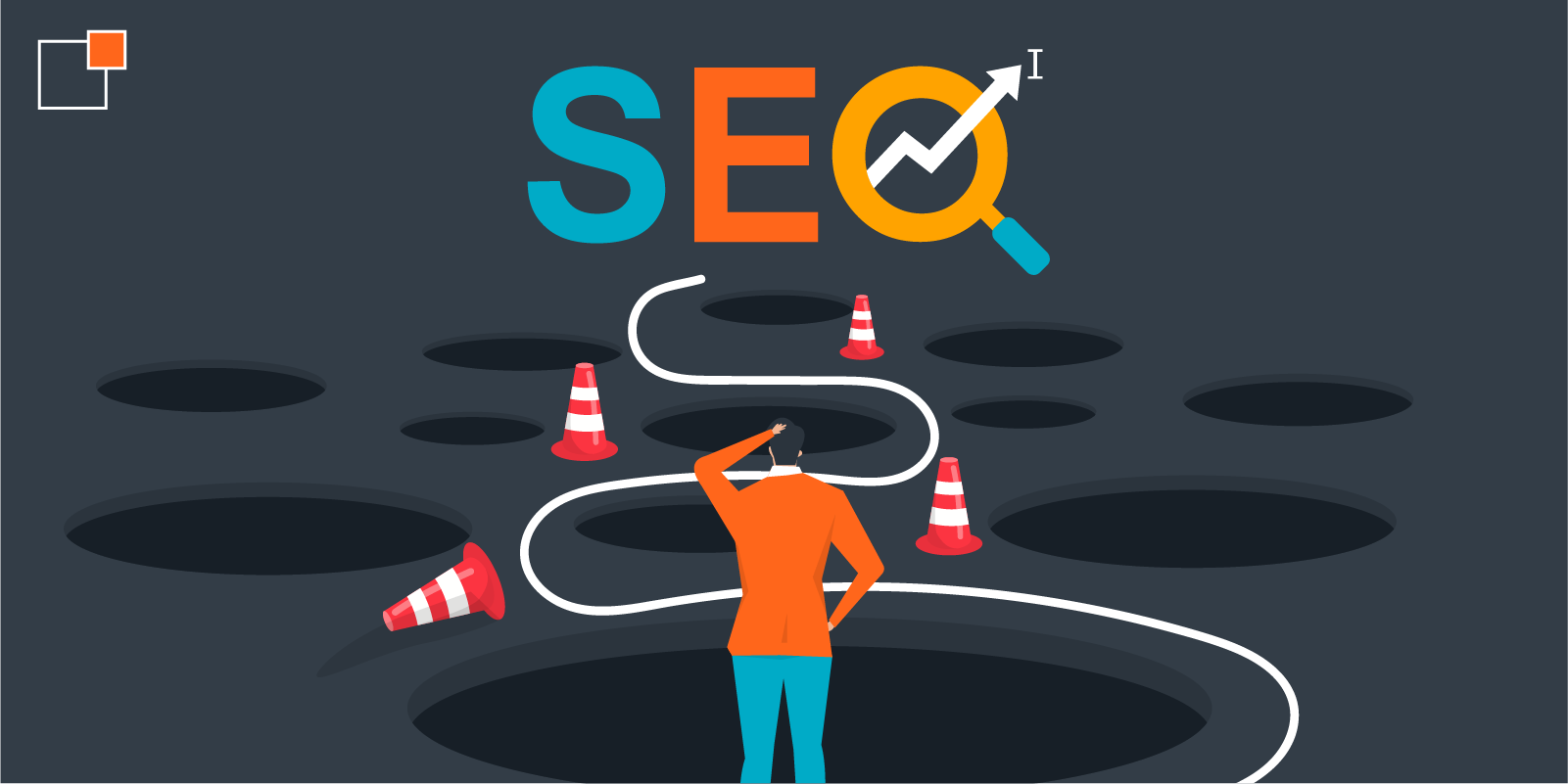
Local SEO plays a vital role for small and medium-sized businesses looking to attract nearby customers. Whether you run a café in Melbourne or a plumbing business in Sydney, your visibility in local search results directly influences how easily potential customers can find and contact you. Despite its importance, many businesses make avoidable mistakes that hurt their rankings and reduce local traffic.
To help you improve your visibility and stay competitive, this article explores the most common local SEO mistakes that can cost you rankings and what you can do to fix them. Partnering with a trusted digital marketing agency or SEO Agency can make all the difference in avoiding these pitfalls and ensuring your local optimisation strategy works effectively.
Mistake 1: Ignoring Google Business Profile Optimisation
Your Google Business Profile (GBP), formerly Google My Business, is one of the most powerful tools for local SEO. Many businesses either fail to claim their profile or do not keep it up to date. An incomplete or inconsistent profile can confuse Google’s algorithm and potential customers.
Ensure that your profile includes accurate information such as your business name, address, phone number, website link, and operating hours. Upload high-quality photos, respond to reviews, and post regular updates. According to Google’s official blog, a fully optimised GBP improves visibility in local map packs and increases click-through rates.
If you are unsure where to start, an experienced digital marketing agency can audit and optimise your GBP to align with Google’s best practices.
Mistake 2: Inconsistent NAP Information
NAP stands for Name, Address, and Phone number. Consistency across all online platforms is crucial for local SEO. When Google detects mismatched business information on your website, directories, and social media pages, it may question the legitimacy of your business.
For example, if your website lists your address as “123 High Street, Melbourne” but your Facebook page shows “123 High St.,” it can create confusion. Even minor differences can affect local ranking signals.
To maintain consistency, regularly audit your business listings on popular directories such as Yelp, Bing Places, and Apple Maps. Working with a reputable SEO Agency ensures your NAP information remains uniform across all channels.
Mistake 3: Neglecting Local Keyword Optimisation
Many businesses focus solely on broad keywords like “digital marketing” or “plumbing services” without adding a local focus. Local keywords that include geographic modifiers, such as “plumber in Melbourne” or “SEO services in Sydney,” help your business appear in search results relevant to nearby customers.
Ignoring location-based keywords limits your visibility in regional searches. Conduct keyword research using tools like Google Keyword Planner or Google Trends to identify what local users are searching for. Incorporate these keywords naturally into your website content, meta descriptions, and headings.
A digital marketing agency can provide data-driven insights into the most effective local keywords for your niche, helping you attract the right audience.
Mistake 4: Overlooking Customer Reviews
Customer reviews are one of the strongest local ranking factors. According to Google, positive reviews improve your business’s credibility and help it rank higher in local search results. Yet many businesses fail to request or respond to customer feedback.
Encourage satisfied customers to leave reviews on your Google Business Profile, Facebook, or Yelp. More importantly, reply to all reviews, including negative ones, to demonstrate responsiveness and care. Engaging with reviews signals to Google that your business is active and trustworthy.
An SEO Agency can assist in developing a review management strategy that encourages consistent feedback while ensuring compliance with Google’s review policies.
Mistake 5: Ignoring Mobile Optimisation
A large portion of local searches comes from mobile devices. According to data from Google’s official blogs, mobile users often search for nearby services and expect fast, mobile-friendly websites. If your website loads slowly or does not display properly on smaller screens, visitors will leave quickly, increasing your bounce rate.
A mobile-friendly site should load in under three seconds, display readable text, and include clickable contact options such as “call now” buttons. Google’s PageSpeed Insights tool can help identify performance issues affecting your mobile site.
Partnering with a digital marketing agency that specialises in mobile SEO ensures your website performs seamlessly across all devices.
Mistake 6: Not Creating Local Content
Creating locally relevant content is one of the most effective ways to strengthen your connection with nearby audiences. Many businesses only publish general blogs that do not speak to their local customers’ needs.
Develop blog posts, guides, and videos that highlight local events, partnerships, and industry trends. For example, a Melbourne café could write a post about the best coffee beans from local roasters or participate in local food festivals.
Google rewards websites that provide contextually rich and locally relevant content. Working with an SEO Agency helps you identify topics that appeal to your community and improve your visibility in location-specific searches.
Mistake 7: Forgetting About Backlinks from Local Sources
Backlinks are still a cornerstone of SEO. However, for local SEO, quality local backlinks matter more than quantity. Many businesses miss out on ranking opportunities by not building relationships with local organisations, media outlets, and directories.
Earning backlinks from local newspapers, chambers of commerce, and community blogs sends strong signals to Google that your business is trusted within its region. These links also drive referral traffic from audiences who are geographically relevant.
Collaborating with a digital marketing agency allows you to build authentic local backlinks without risking penalties from low-quality or spammy link sources.
Mistake 8: Skipping Schema Markup Implementation
Schema markup helps search engines better understand your website content, improving the chances of appearing in rich snippets or map packs. Despite its benefits, many small businesses neglect to add schema to their sites.
Local schema can include information such as your business name, location, contact details, and opening hours. This data helps Google connect your website with your physical location.
Implementing local business schema correctly can significantly boost your visibility in voice search and AI-driven results. A professional SEO Agency can ensure your schema is properly structured according to Google’s guidelines.
Mistake 9: Failing to Track and Measure Local SEO Performance
Without tracking, it is impossible to know whether your local SEO strategy is working. Many businesses focus on short-term results without monitoring key performance indicators such as organic traffic, local search rankings, and customer interactions.
Use tools like Google Analytics 4 and Google Search Console to measure performance. Track calls, directions, and website visits generated from local listings. Regular reporting helps identify trends and adjust strategies for better results.
An experienced digital marketing agency provides detailed insights, ensuring that your local SEO campaigns continuously improve over time.
Conclusion
Local SEO can drive significant growth for your business, but only if executed correctly. Ignoring fundamental elements such as consistent NAP data, local keywords, and customer reviews can severely limit your visibility in search results.
By avoiding these common mistakes and implementing a comprehensive local SEO strategy, your business can improve rankings, attract more qualified leads, and build long-term customer trust. Whether you manage your marketing in-house or work with a trusted SEO Agency or digital marketing agency, taking a structured and data-driven approach ensures your business stands out in local search results and continues to thrive in a competitive marketplace.
